


-

Add: HeBei ShengShi HongBang Cellulose Technology CO.,LTD.
-

Email
13180486930@163.com -

CONTACT US
+86 13180486930




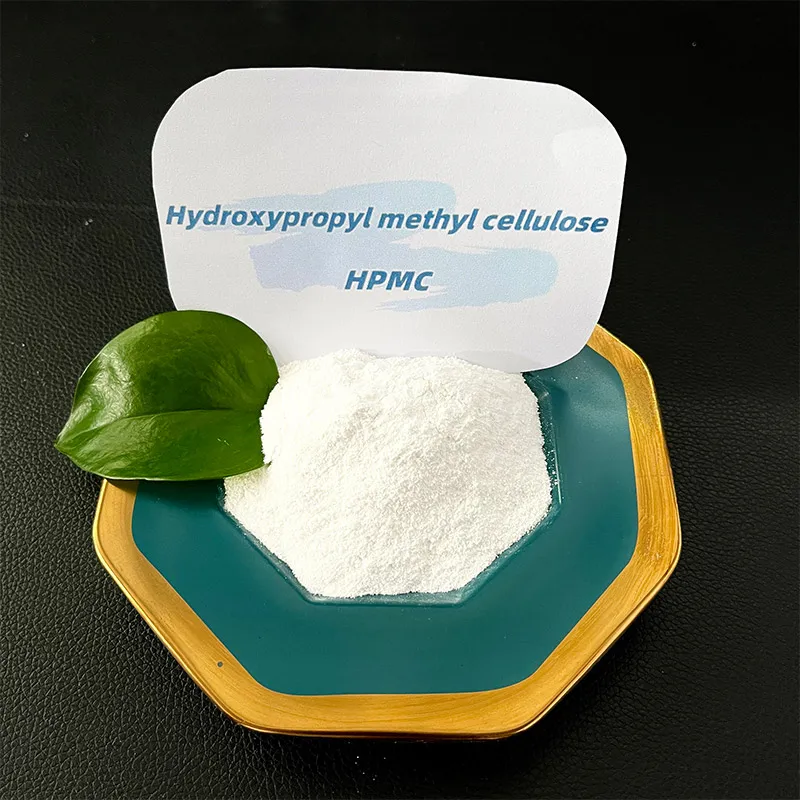
Exploring the Viscosity of HPMC A Unique Insight into its Applications and Benefits The world of additives and ingredients has been continually evolving, and among them, Hydroxypropyl Methylcellulose (HPMC) stands out due to its multifaceted applications and exceptional properties. One of its critical characteristics is viscosity, an essential factor determining its utility in various industries, from pharmaceuticals to construction. Understanding HPMC viscosity not only allows for better application but also ensures a superior product experience, reinforcing expertise, and establishing credibility in the market. Hydroxypropyl Methylcellulose, or HPMC, is a cellulose-derived polymer, known for its versatility and non-toxic nature. Viscosity, in the context of HPMC, refers to its resistance to flow, crucial in defining the product's performance. This characteristic can significantly influence how HPMC is used in different formulations, dictating everything from the texture of a product to its stability and efficacy. In the pharmaceutical industry, HPMC is a dependable asset due to its viscosity, which plays a pivotal role in drug delivery systems. For instance, its application as a controlled release agent hinges heavily on its viscosity properties. By adjusting the viscosity, manufacturers can tailor the release rate of active pharmaceutical ingredients, thus enhancing the therapeutic effect and improving patient compliance. Experts emphasize the precision required in calibrating HPMC viscosity to achieve desired drug-release profiles, showcasing professional expertise and technical know-how. Beyond pharmaceuticals, the viscosity of HPMC is also invaluable in the construction industry, particularly in the formulation of cement and tile adhesives. Here, the right viscosity ensures optimal water retention and workability. Construction experts often highlight the importance of selecting the appropriate viscosity level to ensure that cement mixes maintain their integrity and adhesion capabilities under various environmental conditions. This professional insight underlines the authoritative knowledge required to employ HPMC effectively in construction applications, contributing to the long-term durability of structures. hpmc viscosity The personal care industry similarly benefits from HPMC's viscosity . It acts as a thickening and gelling agent in creams and lotions, enabling the creation of products that deliver a luxurious feel and consistent performance. Savvy formulators understand that manipulating HPMC's viscosity can result in textures that enhance user experience, making the product both sensorially pleasing and functionally superior. This expertise is critical for brands aiming to establish trustworthiness with consumers who seek quality and reliability in personal care offerings. Trust in HPMC’s viscosity extends to its environmental friendliness and safety. Being biodegradable and derived from plant cellulose, it meets the increasing demand for sustainable ingredients, aligning with eco-friendly values. The trustworthiness that comes from using a product that is both effective and environmentally conscious cannot be overstated, especially in markets where consumer awareness around product sustainability is growing. Furthermore, scientific studies and historical usage reinforce the authority and trustworthiness of HPMC across industries. Research consistently demonstrates the stable performance of HPMC, with studies highlighting its low allergenic potential and adaptability in various formulations. This extensive documentation provides an authoritative backdrop, reassuring manufacturers and consumers alike of its efficacy and safety. For those entering the market or seeking to refine their product formulations, understanding HPMC viscosity is not merely an option but a necessity. Mastery of this attribute can lead to groundbreaking product innovations and improvements, securing a competitive edge in the industry. By consulting with chemists and industry experts, and referring to scientific literature, businesses can harness the full potential of HPMC, validating their commitment to quality and expertise. In conclusion, the viscosity of HPMC is more than just a physical property; it is a cornerstone of its application across diverse industries. With its ability to influence product performance and consumer satisfaction, HPMC stands as a testament to effective and trustworthy product formulation. Embracing its viscosity not only enhances product quality but also fortifies a brand's reputation as a leader in innovative and reliable solutions.
- 40000tons

Production
- 20+years

Experience
- 5000+㎡

Acreage

-
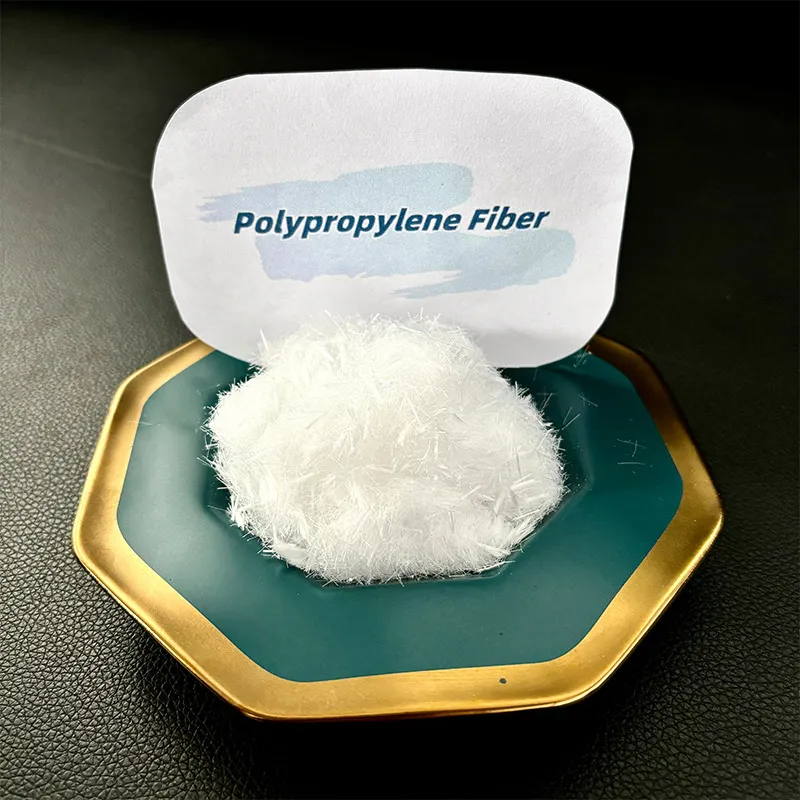
Navigating the complex world of synthetic fibres involves understanding their multifaceted applications, strengths, and sustainability aspects. As a key player in the textile industry, synthetic fibres offer unparalleled diversity and utility, making them indispensable across various sectors. This article delves into the unique characteristics of synthetic fibres, providing insights drawn from extensive research and industry experiences. Synthetic fibres, made through processes like polymerisation, originate from petroleum-based raw materials such as coal and natural gas. This method of production provides these materials with qualities like high durability, elasticity, and stain resistance, which natural fibres sometimes lack. A clear advantage of synthetic fibres is their ability to be tailored to specific functions, allowing for a broad range of applications. For instance, in the fashion industry, polyester and nylon remain preferred choices due to their stretchability, resilience, and ability to retain shape—a critical factor for everyday wear. Taking a closer look at polyester, one of the most widely utilized synthetic fibres, we find its prominence not just in clothing but also in home furnishings and industrial applications. Polyester's resistance to environmental factors makes it ideal for outdoor situations, where it shields wearers from extreme weather and retains its properties despite exposure to moisture. In terms of sustainability, recent advancements have led to the emergence of recycled polyester, which stems from repurposed plastic bottles and reduces environmental impact, highlighting a shift towards more eco-friendly production practices. Nylon, another dominant synthetic fibre, known for its exceptional strength and elasticity, revolutionised industries upon its introduction. It serves critical roles in manufacturing durable goods like ropes, nets, and even seatbelts in vehicles. Its application doesn't end with utilitarian products; in the fashion industry, nylon is praised for creating lightweight, breathable apparel that combines comfort with longevity. With the technology landscape rapidly evolving, synthetic fibres have embraced the integration of nanotechnology to further expand their horizons. This integration allows for the development of high-performance clothing with added functionalities such as UV protection, moisture-wicking capabilities, and even antibacterial properties. The future potentials of synthetic fibres in enhancing wearable tech cannot be overstated, offering limitless possibilities in smart clothing and beyond. fibre synthetic fibre Amidst their innumerable benefits, the environmental impact of synthetic fibres warrants attention . The global industry is making significant strides towards greater sustainability, focusing on reducing the carbon footprint of fibre production. Biodegradable synthetic fibres are now under research and development, promising solutions to the issue of textile waste. The fashion industry is actively pursuing circular economy models, encouraging recycling and reuse to prolong the lifecycle of garments. For consumers and industries alike, the choice of fibre has become increasingly crucial. Selecting synthetic fibres involves balancing between performance needs and environmental considerations. Assessing a product’s lifecycle and opting for brands committed to sustainable practices aligns with environmentally conscious consumerism. This responsibility extends to manufacturers, who must innovate continually to refine their methods, decreasing reliance on fossil fuels and integrating renewable energy sources into production. The credibility of synthetic fibre manufacturers is further enhanced through certifications and adherence to international standards. Organizations such as the Global Recycle Standard (GRS) and OEKO-TEX certification provide assurance of quality and eco-friendly practices, boosting consumer confidence and fostering trust in synthetic textile products. In conclusion, synthetic fibres represent a nuanced sector of the textile industry, underpinned by their adaptability, innovation, and potential for sustainability. The commitment to improving production processes and product offerings while addressing environmental concerns ensures that synthetic fibres will remain a crucial component of modern and future textile solutions. By making informed choices and supporting sustainable initiatives, both consumers and producers can drive positive change within this pivotal sector.
-
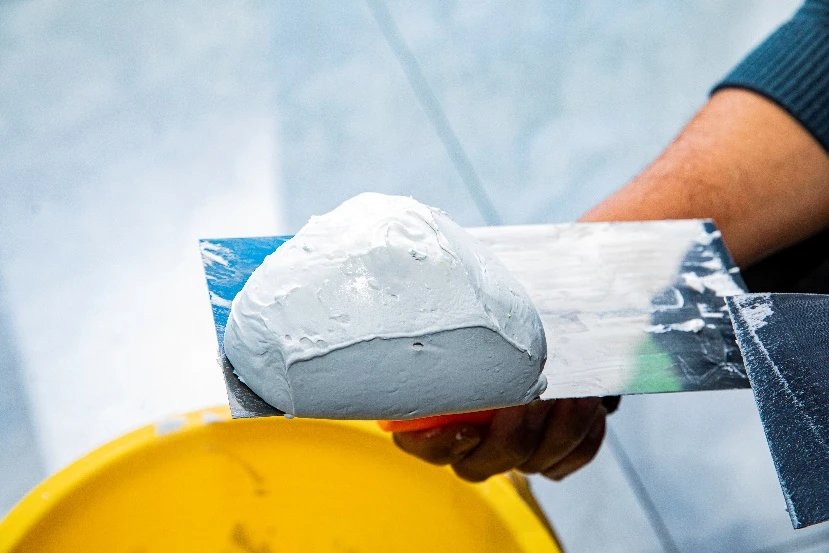
The Versatility and Benefits of Polypropylene Fiber Carpets Polypropylene fiber carpets have garnered significant attention in the flooring market due to their unique properties and numerous benefits. Known for their durability, affordability, and ease of maintenance, polypropylene carpets provide an ideal flooring solution for various residential and commercial environments. This article explores the characteristics and advantages of polypropylene fiber carpets, making them a popular choice among homeowners and businesses alike. What is Polypropylene Fiber? Polypropylene, also known as olefin, is a type of synthetic fiber that has been used in textile manufacturing since the 1960s. The fibers are created from polymerization of propylene monomers, resulting in a lightweight material that is inherently resistant to moisture, mold, and mildew. These properties make polypropylene an excellent choice for carpets, particularly in areas prone to spills and humidity. Durability and Resilience One of the standout features of polypropylene fiber carpets is their exceptional durability. Unlike natural fibers, polypropylene does not absorb water, making it resistant to stains and fading. This attribute ensures that the carpet maintains its vibrant colors and patterns over time, even in high-traffic areas. Additionally, polypropylene fibers have a natural resistance to wear and tear, making them suitable for both residential homes and commercial spaces such as offices, retail stores, and hospitality venues. Affordability Polypropylene fiber carpets are often more affordable compared to other types of carpeting, making them an attractive option for budget-conscious buyers. The cost-effective nature of polypropylene does not compromise quality; rather, it offers a balance of performance and value. Homeowners looking to upgrade their flooring without breaking the bank can find a wide range of stylish designs, colors, and textures in polypropylene carpets. Easy Maintenance polypropylene fiber carpet Maintaining polypropylene fiber carpets is a straightforward process. Their stain-resistant properties ensure that spills can be easily wiped away without leaving any lingering marks. Regular vacuuming is typically sufficient to keep the carpet looking clean and fresh. Additionally, in cases of deeper cleaning, polypropylene carpets can be safely cleaned with mild detergents and water, unlike more delicate materials that may require special care. Eco-Friendly Considerations As awareness of environmental issues grows, many consumers are becoming more conscious of the sustainability of their choices. Polypropylene fiber is a recyclable material, which means that at the end of its life cycle, it can potentially be reprocessed and transformed into new products. Additionally, the manufacturing process of polypropylene fibers has improved over the years, with many companies adopting greener practices to reduce their carbon footprint. Versatile Design Options Another advantage of polypropylene fiber carpets is their versatility in design. Homeowners can choose from an array of colors, patterns, and textures to match their unique aesthetic preferences. Whether opting for a plush shag carpet to add warmth and comfort to a living room or a low-pile, textured design for a contemporary office space, polypropylene offers something for everyone. This variety enables consumers to find the perfect carpet that complements their interior design vision. Conclusion In summary, polypropylene fiber carpets present an excellent flooring solution for various environments due to their durability, affordability, and low-maintenance properties. They are an ideal choice for families with children and pets, as well as for businesses that experience high foot traffic. With eco-friendly options and a wide range of designs, polypropylene carpets fit seamlessly into any setting while providing practical benefits that cater to the needs of today’s consumers. Investing in polypropylene fiber carpets can enhance the beauty and functionality of a space, making them a smart choice for anyone looking to upgrade their flooring. As we move towards a future focused on sustainability and practicality, the popularity of polypropylene carpets is likely to continue to rise, solidifying their place in the market for years to come.
advantages
-

200000 Viscosities
Excellent product
We can produce pure products up to 200,000 viscosities
-

40000 tons
High yield
We don’t stop production all year round, and the annual output can reach 40,000 tons
-

24 hours
Quality service
We provide 24-hours online reception service, welcome to consult at any time
———— Inquiry Form
Schedule A services

-
 hec_vs_hpmc
Oct . 25, 2025
Hydroxypropyl methylcellulose (HPMC) is a versatile product that has gained tremendous attention acr -
 hydroxypropyl_methylcellulose_0_point_3_eye_drops_price
Oct . 25, 2025
Hydroxypropyl Methylcellulose (HPMC) E5 is a versatile and essential ingredient in various industrie - hydroxypropyl_methyl_cellulose_cas
Oct . 25, 2025
Rubber powder, a groundbreaking material revolutionizing various industries, offers unparalleled ben


